-
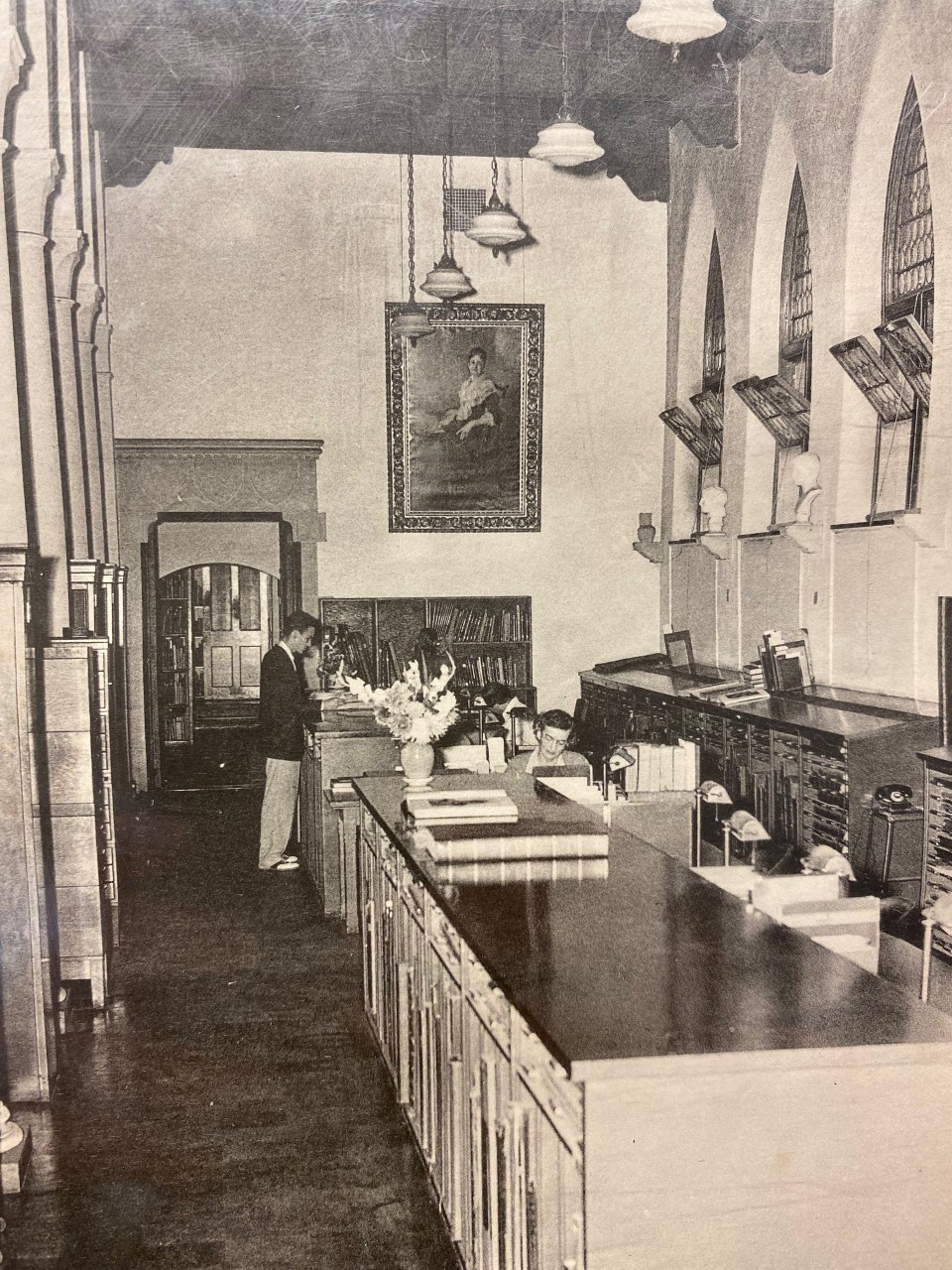
First Marquand Library of Art & Archaeology c.1908 -
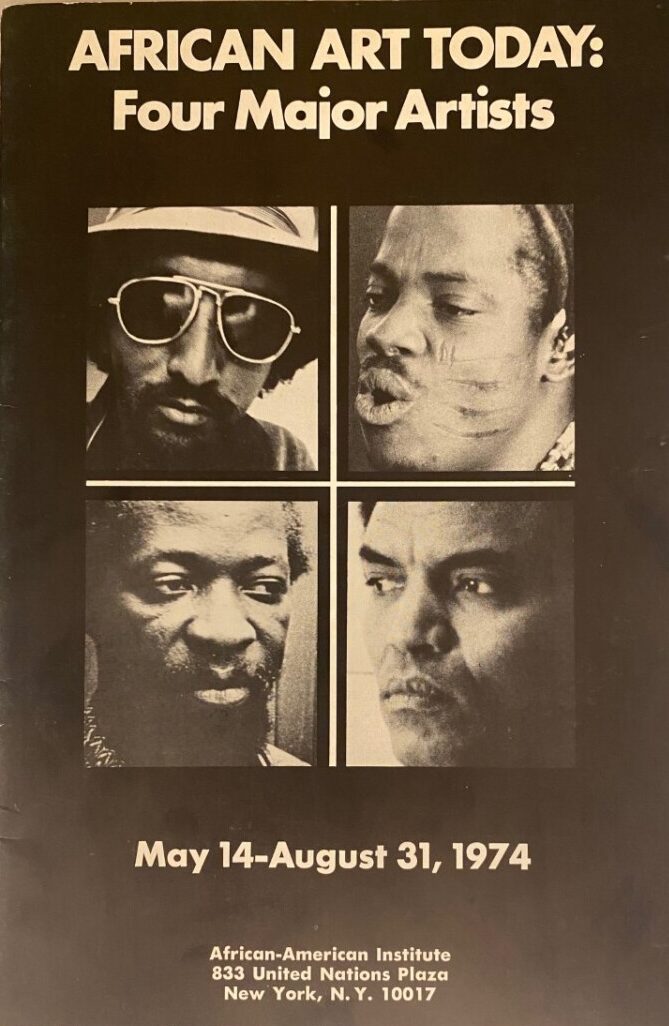
African American Art Today: Four Major Artists / an exhibition of paintings and sculpture by Skunder Boghossian, Valente Malangatana, Twins Seven Seven, and Amir I.M. Nour. New York:, African-American Institute, 1974.
Tag Archives: 20th century
Early 20th-Century Japanese Photography: Hakuyō Magazine
Published between 1922 and 1926, Hakuyō is, historically speaking, one of Japan’s most important photography magazines. It was in this journal that the early 20th century artistic evolution from traditional Pictorialism to Modernist Expressionism was documented–inadvertently–with photographs and essays about … Continue reading
Posted in Rare monograph
Tagged 20th century, Asian Art, constructivism, Fuchikami Hakuyo, Japanese, MAVO, Photography, Photography 20th Century, Photography Japanese
Comments Off on Early 20th-Century Japanese Photography: Hakuyō Magazine
JAPANESE ‘POP-UP’ TEA HOUSES: Chaseki okoshiezu
As early as the seventeenth century–long before there was 3-D computer-modeling for home renovations on HGTV–Japanese carpenters (architects) created detailed three-dimensional paper models of famous tea houses, designed by the great tea masters of the past. Sakata Sakujirō,Chaseki okoshiezu [Folding-drawing … Continue reading
Posted in Rare monograph
Tagged 19th century, 20th century, Architecture, Asian Art, Edo period, Japanese, Meiji period, Models, Pop-up models, Taisho period, Tea, Tea ceremony, Woodblock prints
Comments Off on JAPANESE ‘POP-UP’ TEA HOUSES: Chaseki okoshiezu
Frank Lloyd Wright’s Legendary Imperial Hotel (Teikoku Hoteru): “The Jewel of the Orient”
On September 1,1923, Frank Lloyd Wright’s legendary Imperial Hotel [Teikoku Hoteru] opened to the public for the first time. Located near the emperor’s palace in Tokyo, it was built by the Japanese government to house foreign visitors and guests of … Continue reading
Posted in Art, United States of America, Japanese, Japanese, Rare monograph
Tagged 1893 Columbian Exhibition, 20th century, Architecture, Asian Art, Byodo-in, Frank Lloyd Wright, Great Kanto Earthquake, Imperial Hotel, Japanese architecture, Japanese Art, Teikoku Hoteru
Comments Off on Frank Lloyd Wright’s Legendary Imperial Hotel (Teikoku Hoteru): “The Jewel of the Orient”
1950s Woodcuts and Artists’ Exchanges
Marquand recently acquired an inscribed first edition copy of Huang Yongyu mu ke ji 黃永玉木刻集 , a survey of the best of Huang’s early printmaking work. Although Huang is perhaps best known internationally for later ink paintings of flora and … Continue reading
Posted in Chinese, East Asian, Rare monograph
Tagged 1950s, 20th century, Asian Art, China-Europe connections, Chinese Art, dedications to artists, Huang Yongyu, Jaroslav Bejček, socialist realism, Woodblock prints
Comments Off on 1950s Woodcuts and Artists’ Exchanges
THE SUBLIME WORK OF TAKEUCHI SEIHO (1864-1942)
Marqund Library recently acquired the beautiful Seiho ippinshū [The Sublime Work of Seiho] (1935-36), which has been called “one of the most magnificent printing achievements of the twentieth century.”[1] It is not actually a “book,” but a luxurious set of … Continue reading
Posted in Japanese, Japanese, Rare monograph
Tagged 20th century, Collotype, Showa, Takeuchi Seiho, Woodblock prints
Comments Off on THE SUBLIME WORK OF TAKEUCHI SEIHO (1864-1942)