The work of Samuel Fosso, an acknowledged star of the contemporary art world, whose career spans five decades, was recently showcased in Samuel Fosso: Affirmative Acts, organized by the Princeton University Art Museum in collaboration with the Walther Collection and curated by Princeton University Professor Chika Okeke-Agulu with Silma Berrada, Lawrence Chamunorwa, Maia Julis, and Iheanyi Onwuegbucha.1 But the artist began his career as a photographer early, opening a portrait studio “Studio Photo Nationale” in Bangui, Central African Republic, at the age of just thirteen. Born in Cameroon in 1962, but raised in Nigeria, Fosso lost his mother early, and had been forced to flee his home in Afikpo for Central African Republic to escape the widespread violence of the Nigerian Civil War. Joining an uncle in Bangui, he began an apprenticeship with a local photographer but quickly branched out on his own.
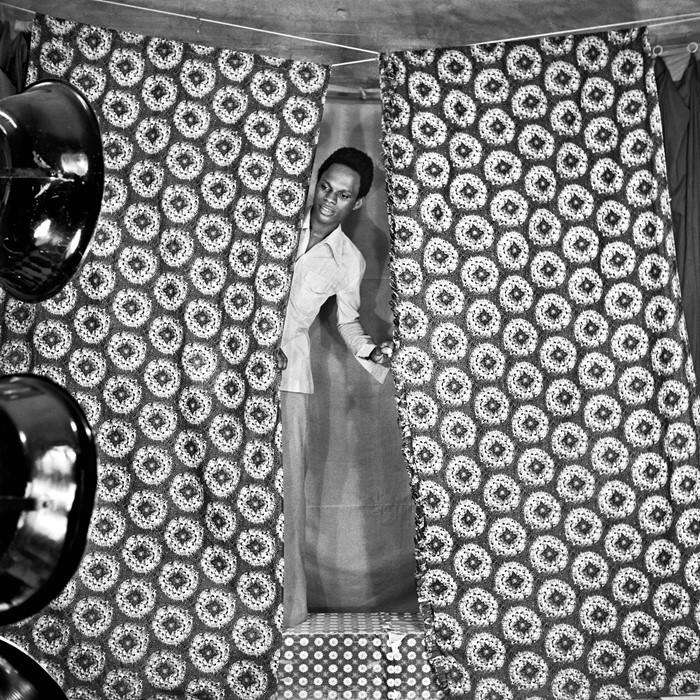
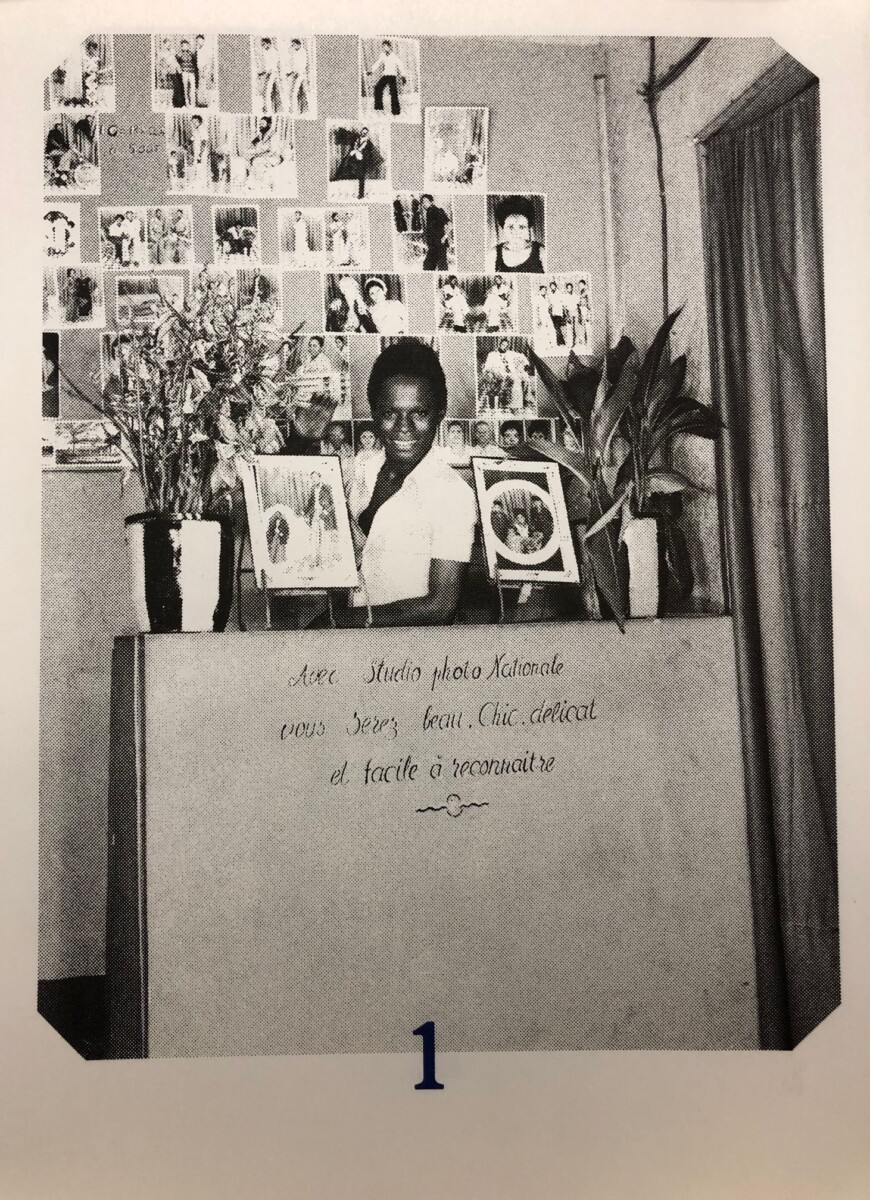
Princeton University Art Museum purchase, Carl Otto von Kienbusch Jr Memorial Collection Fund
As the sign below the counter promised, in their Studio Photo Nationale portraits, Fosso’s clients would be “… beautiful. chic. refined and easy to recognize.” In between portrait sessions for clients, the teenager escaped the dangers and traumas of his life by creating his own world in the stylish and playful photographic self-portraits he made, dressed in the hipster fashions of the vibrant African music scene of the era, and posed against colorful patterned textiles and props in the photo studio. These photos were rendered even more striking in the black-and-white format that was the mainstay of his commercial business. In a photograph now in the collection of the PUAM, he reveals his process in the act of taking a self-portrait in the studio setup before editing out the lights and cropping the final composition. Fosso recounted that he sent some of these self-portraits to cheer up and reassure his grandmother, hundreds of miles away in Nigeria.
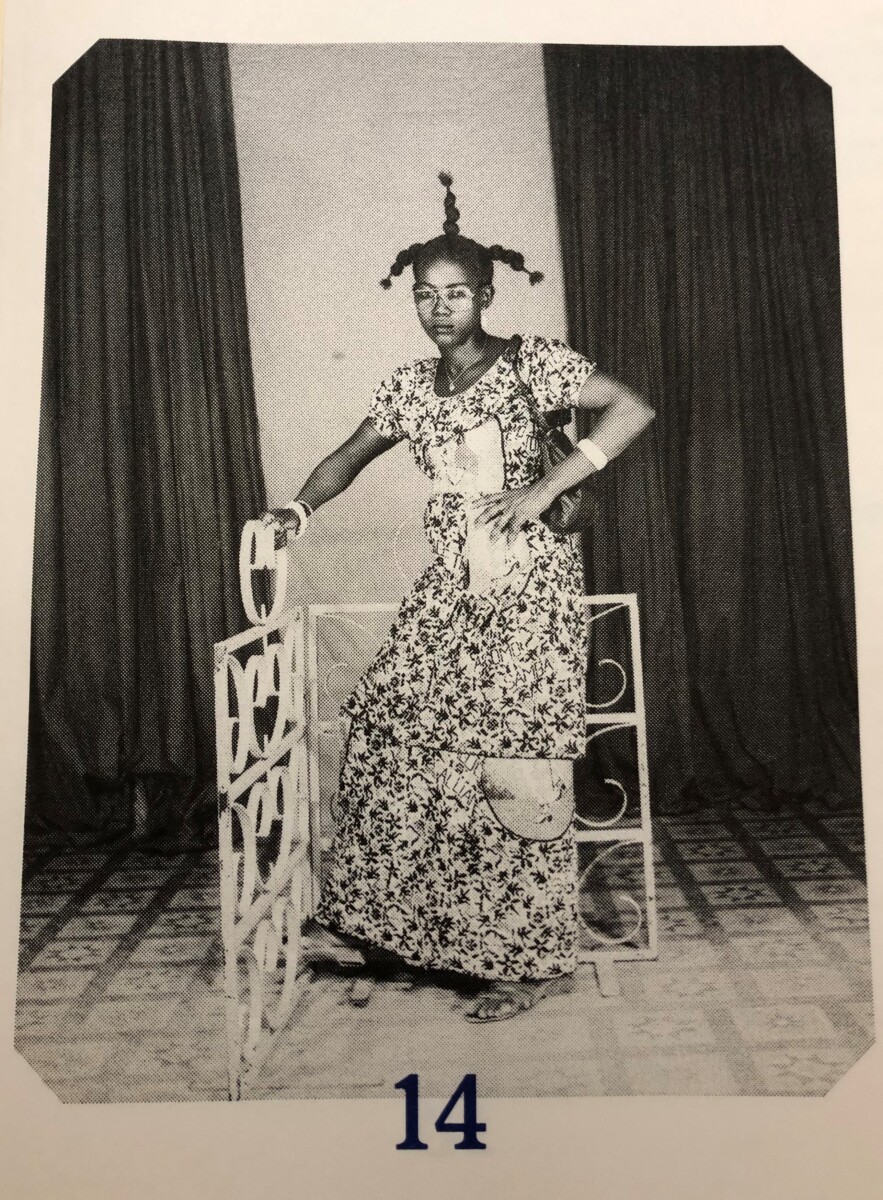
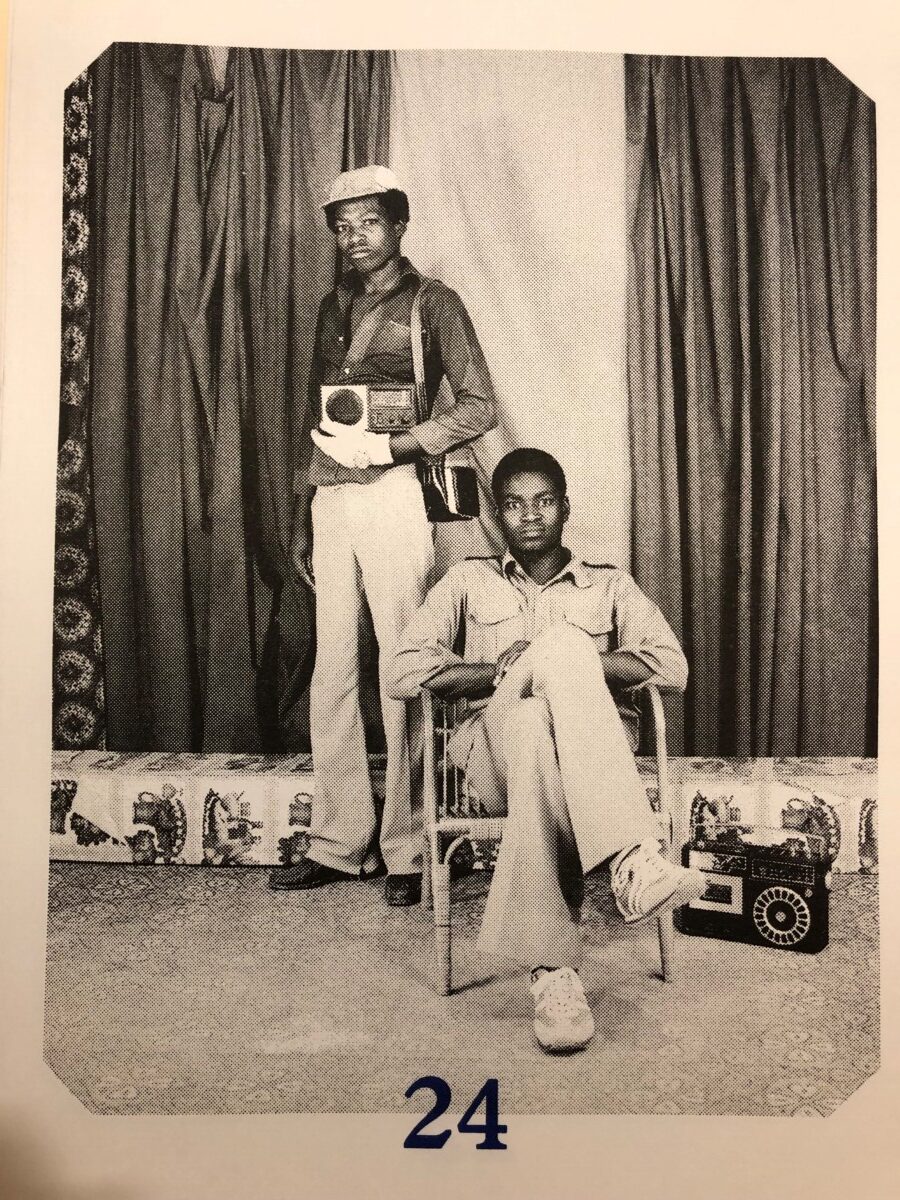
On his website, the artist notes that in this early period in Bangui, in addition to his admiration of the style of contemporary West African musicians, he was also “excited by the images of the African Americans and their sense of style” that he first saw in the magazines that young Peace Corps volunteers in Central African Republic brought with them.2 Thus began the evolution of Fosso’s ongoing series of inspired self-portraits, where the artist embraces the personas of others, both famous and fictive, to create narrative vignettes of his complex world view.
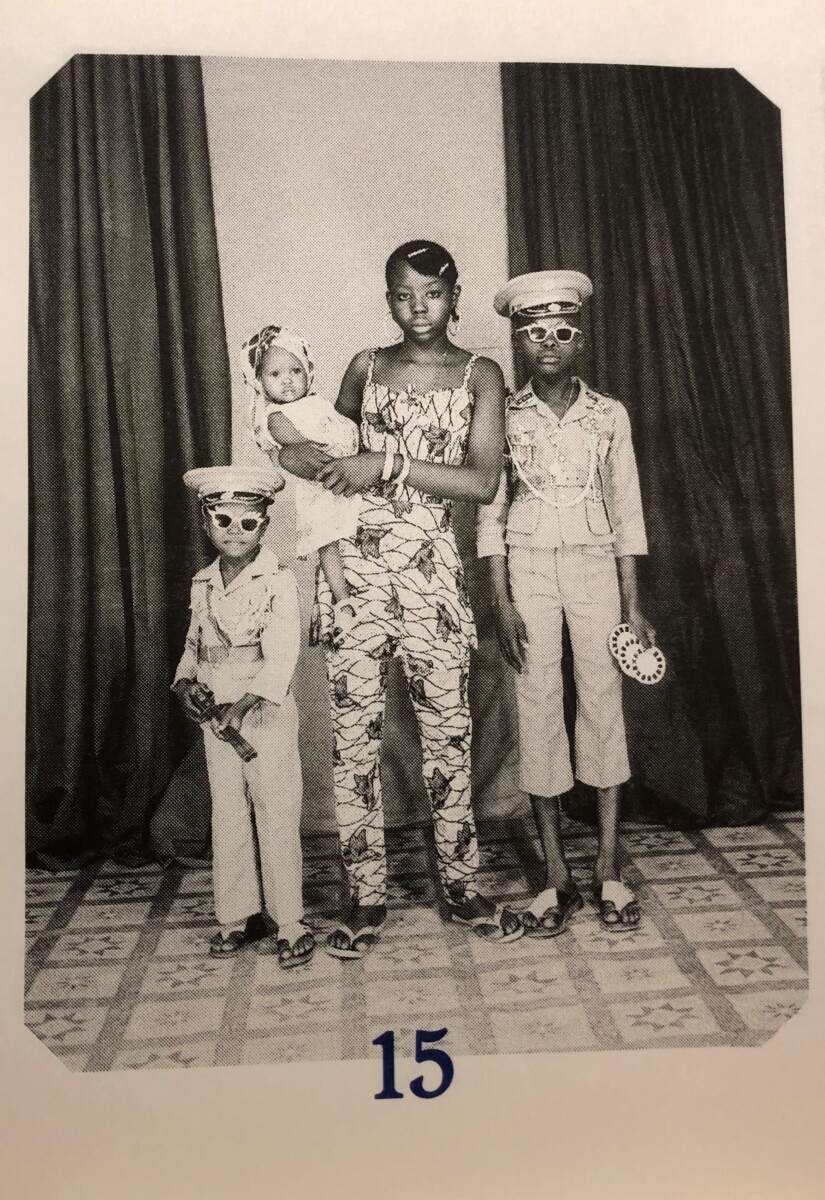
After almost twenty years of studio work, Fosso achieved international status as a participant in the first Rencontres de Bamako Photography in 1994 and has since led an increasingly cosmopolitan life, with studios in Nigeria and Paris and worldwide exhibitions of his work, which explores the intersection of photography, self portraiture, performance, and societal commentary.
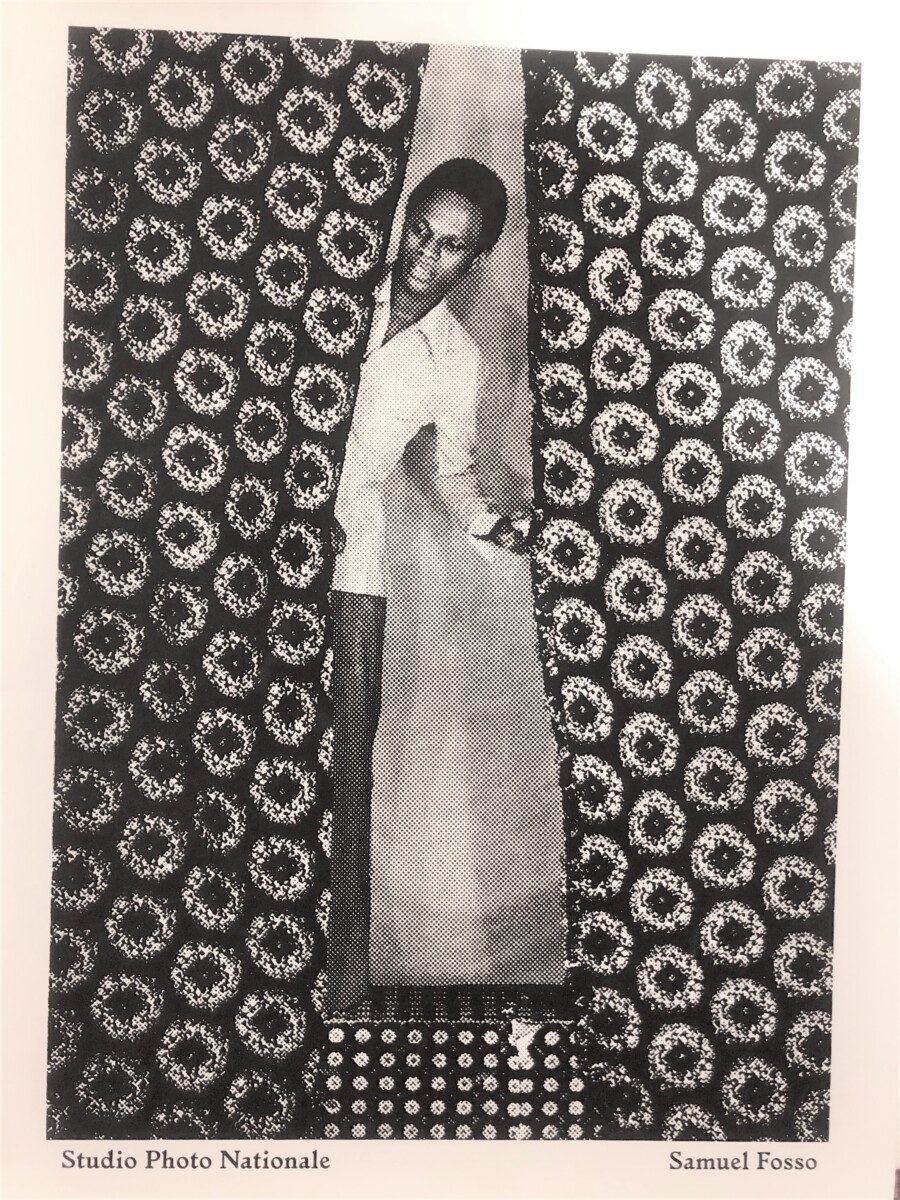
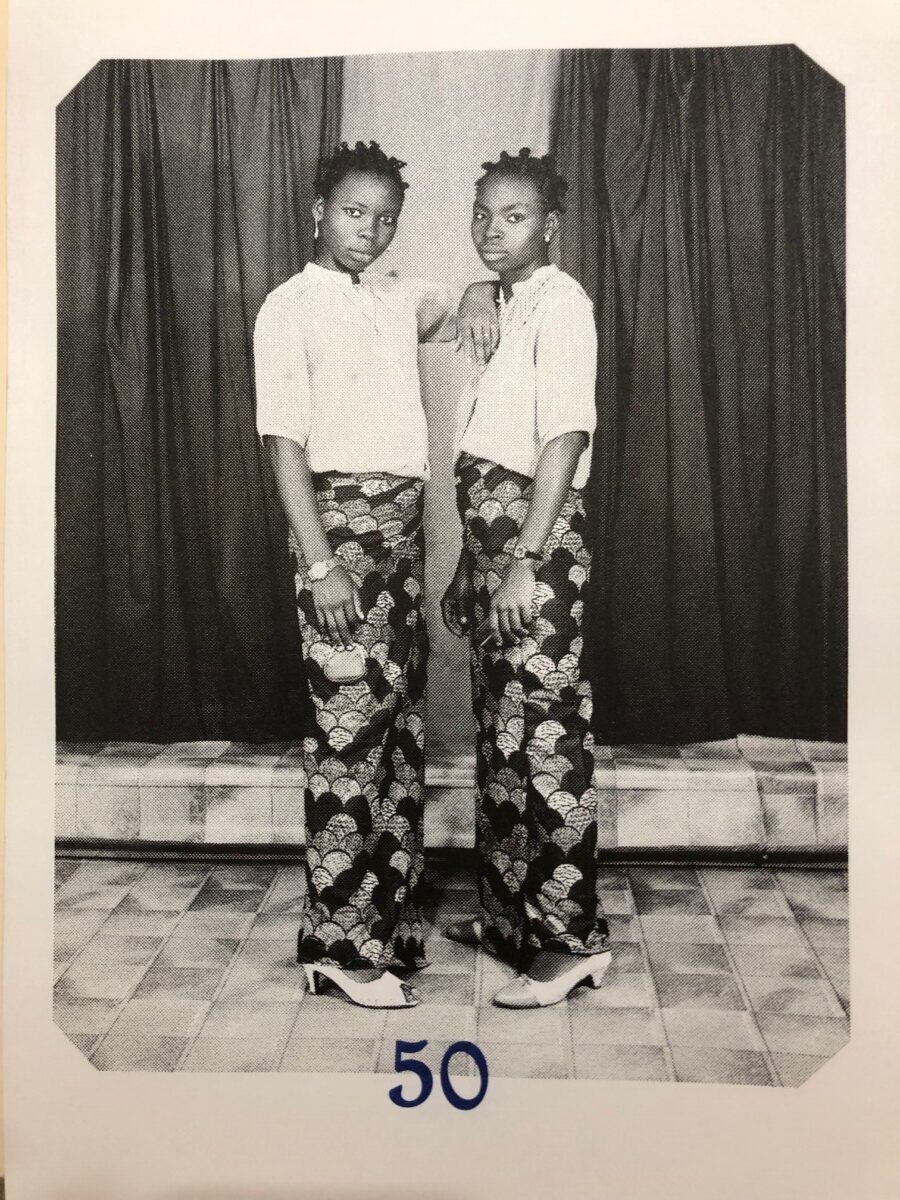
Studio Photo Nationale (2021), a recent purchase by Marquand Library, is already considered a “scarce” book — it is one of a run of only 500 copies. It celebrates the early portrait photographs produced in his Bangui studio, work that was almost completely lost. In 2014, Fosso’s home and studio there were attacked during a period of violent civil unrest in the region. Two photo journalists, Jerome Delay and Marcus Bleasdale, helped by Peter Bouckaert, Emergency Director of Human Rights Watch, managed to rescue Fosso’s archive of around 50,000 negatives and more than 150 prints from destruction and sent them to Fosso in Paris. The three steel trunks apparently remained closed until 2021, when Sébastien Girard edited a selection of them into the current format, a sampling of Fosso’s compelling early studio photographs from the 1970s-1980s.
Nicola Shilliam, Western Art History Bibliographer
- Samuel Fosso: Affirmative Acts, on show at Art on Hulfish in Princeton, New Jersey from 19 November 2022-29 January 2023.
- https://samuelfosso.com