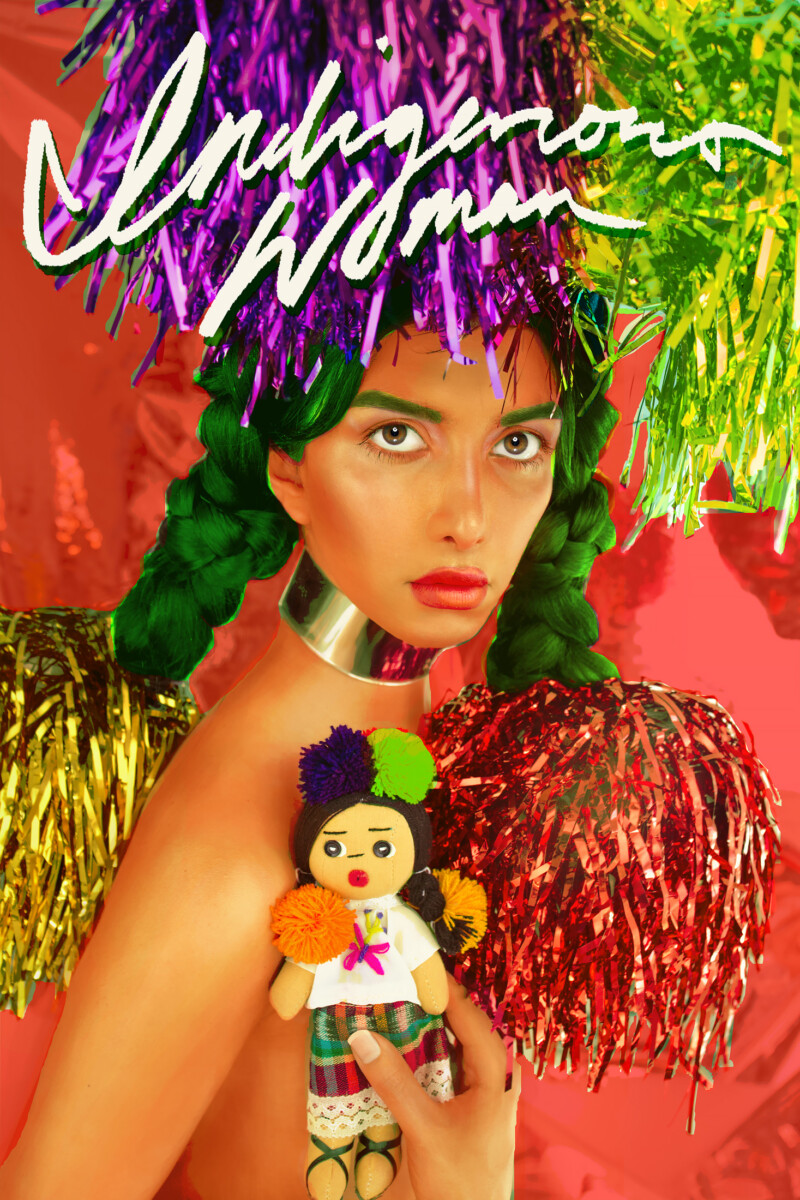
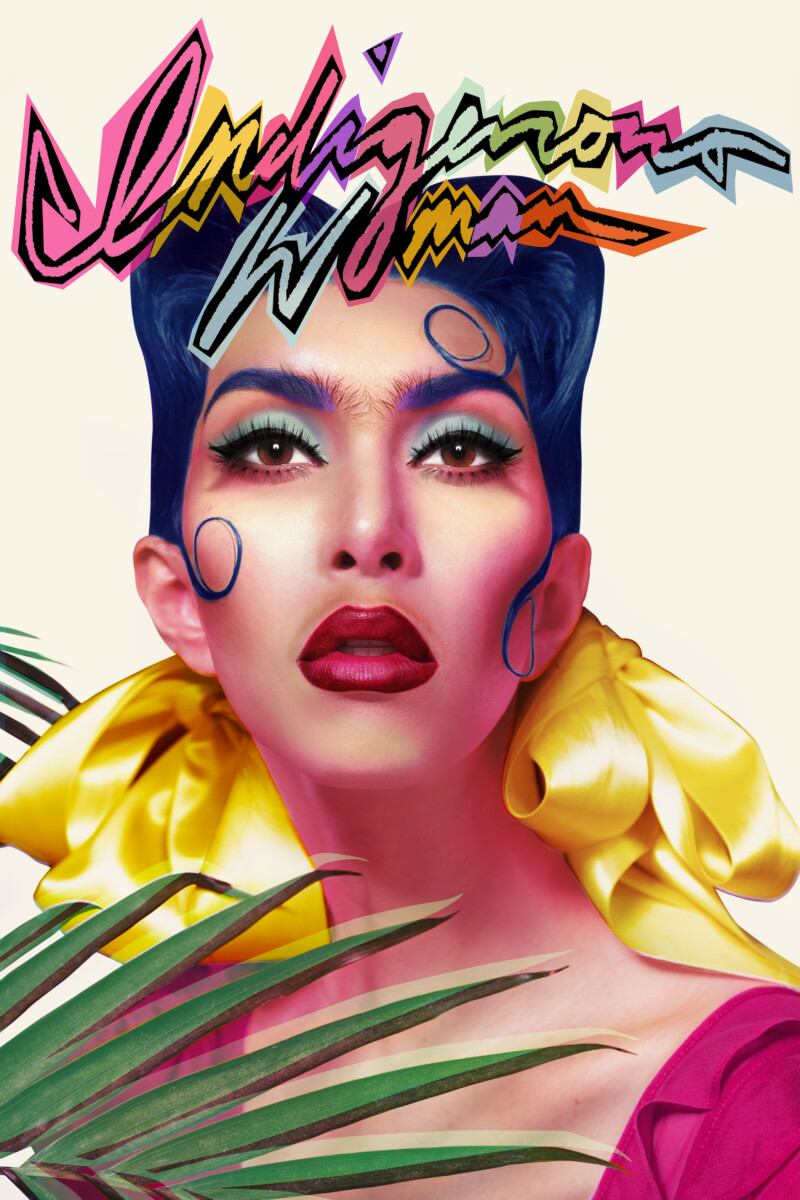
Martine Gutierrez. Indigenous Woman (front and Back cover), 2018. Artist magazine, off-set printed; 124 pages. 16 1/2 x 11 inches (41.9 x 27.9 cm).
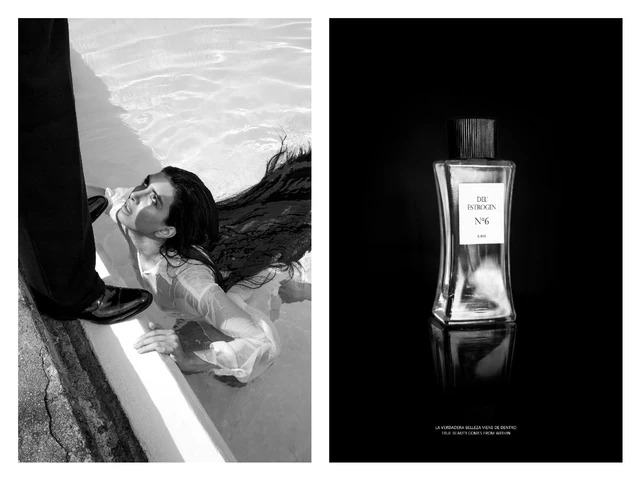
Marquand Library collects rare and limited edition items from all time periods. This recent contemporary acquisition is an exceptional example of a publication by artist Martine Gutierrez that at first glance appears to be a modern-day beauty and fashion magazine complete with advertising, interviews, editorials, and fashion photography of the highest level. Upon closer inspection, a biting humor and satire emerge and a more deeply seated cultural critique begins to shine through.
Martine Gutierrez, a self-proclaimed trans artist of mixed ancestry with a Guatemalan father of Mayan heritage, and a mother from upstate New York who is of European descent, started her life in culturally diverse Oakland, California. During the artist’s adolescence, her family moved to Vermont, which proved “jarring” after her experience of the multi-cultural and cosmopolitan lifestyles of families in the Bay Area.
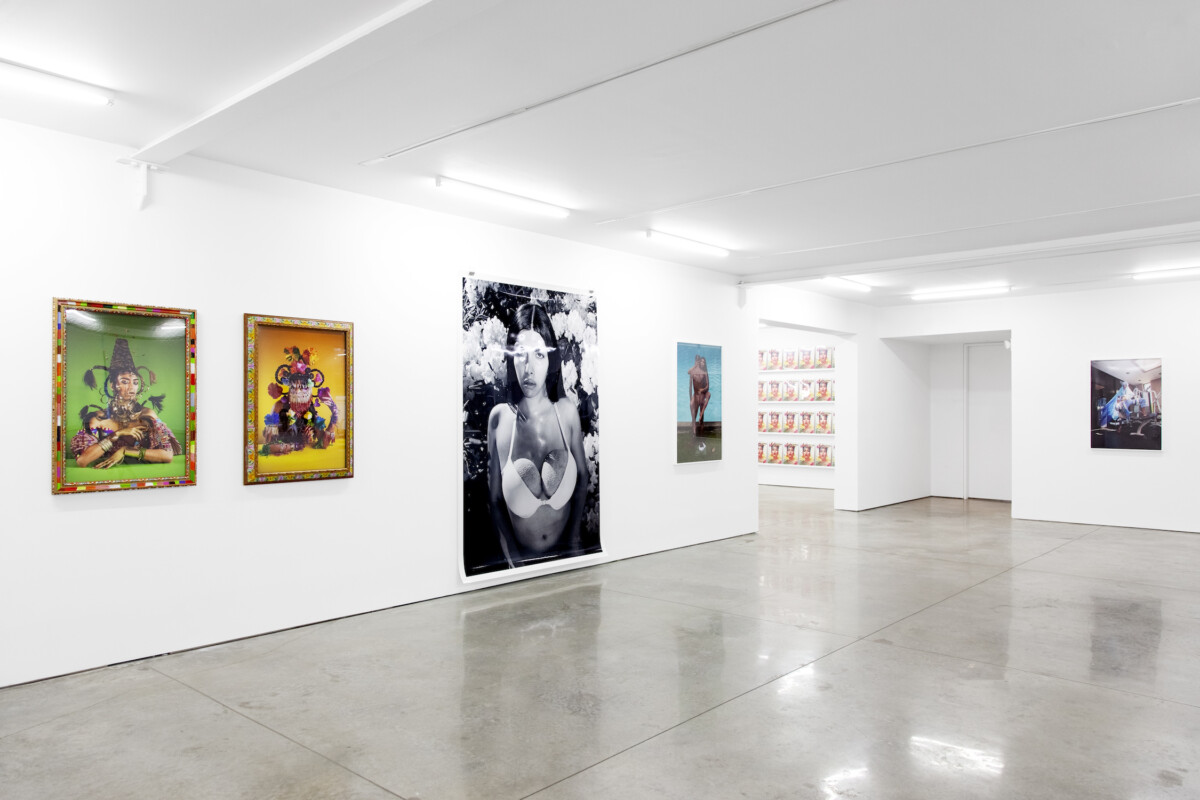
Gutierrez’s artistic work questions not only gender, but what it means to be a “Native-born” woman, and the concept of indigeneity and its manifestation in popular culture. The publication, and later solo exhibition at the Ryan Lee Gallery in New York, was developed over four years during which the artist’s examination of her own identity, cultural background, and ultimately her own image became the central subject of the work. The printed magazine becomes, as a result, an object of performance as Gutierrez’s own image repeats throughout the 124-page spread. A subsequent installation of the photographs were featured in the Venice Biennale in 2019, to great acclaim.
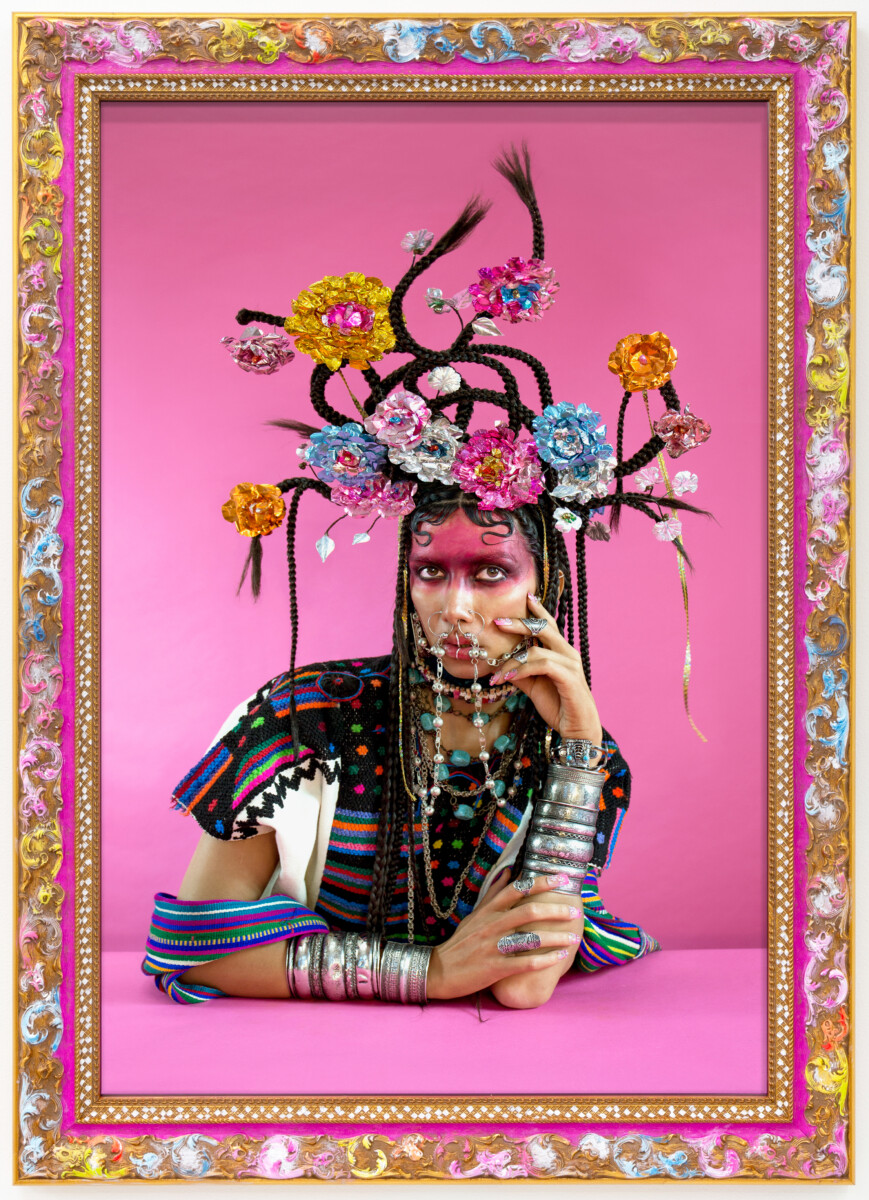
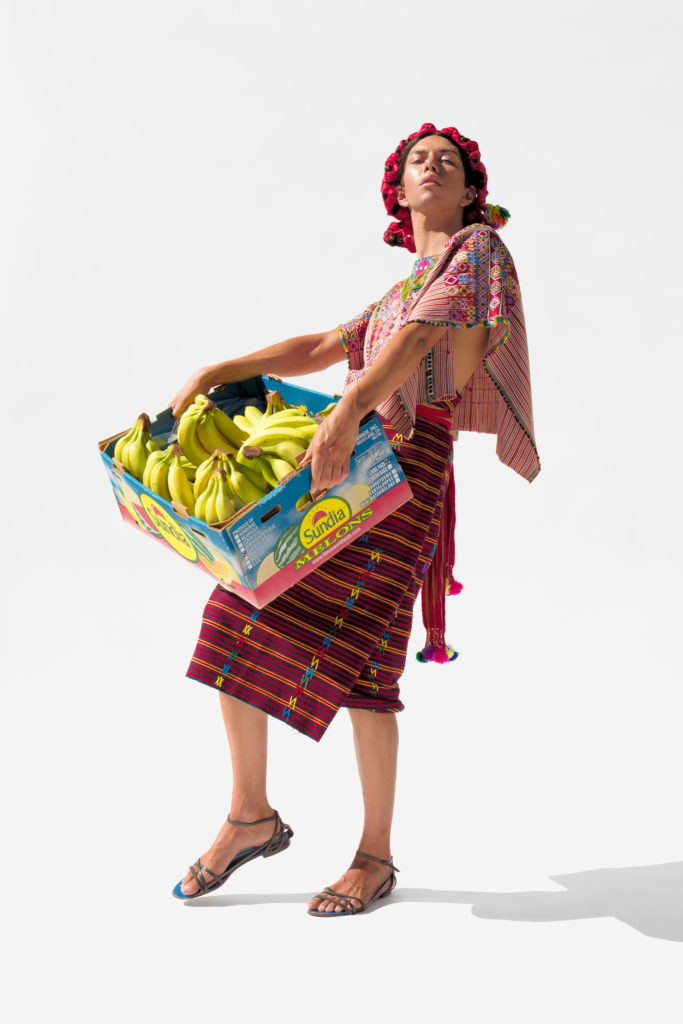
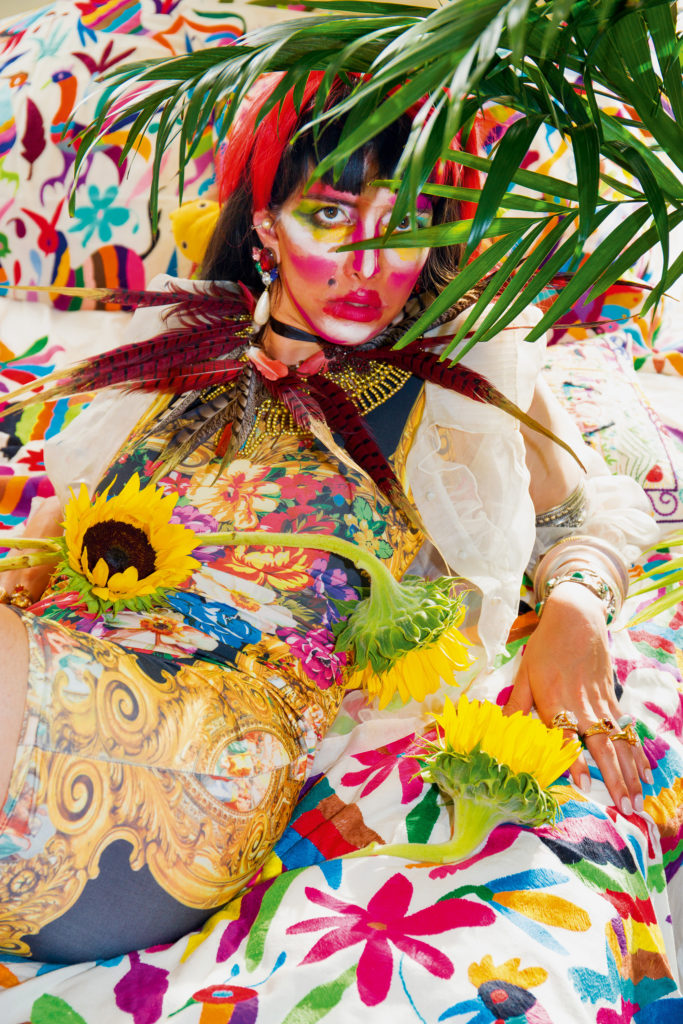
Turning the pages, it becomes abundantly clear that the vibrant and often absurdist imagery is masterfully appropriated and aims to subvert Western standards of beauty in what is otherwise recognized as a ubiquitous format that can be found on any newsstand. The fashion spreads within the work comprise a series of personifications of characters from Mayan communities of Cakchquel, Chuj, and Kekchí, along with images of the artist modeling Guatemalan textiles from her family’s collection, and an inventive “Neo-Indeo” supermodel image that exaggerates stereotyped identities that the artist has endured in her own experiences.

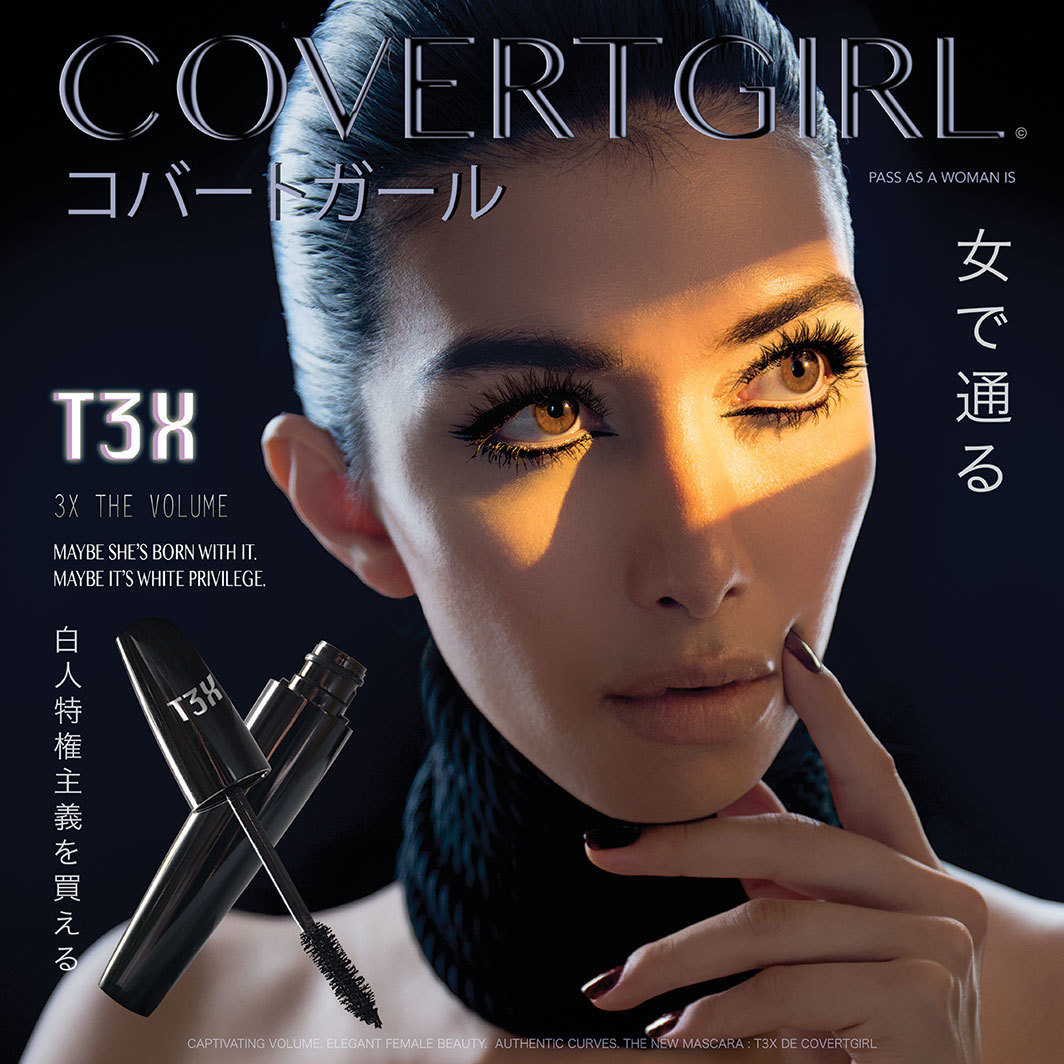
This multi-layered work of art in the guise of a commercial magazine deserves a deeper examination of not only the images, but the interviews, editorials, and advertisements. The artist’s idiosyncratic study of the visual language of the medium that she parodies offers a re-framing of what it means to be a woman, an indigenous person, and a muse of the artist’s own making.
Holly Hatheway
Head, Marquand Library of Art & Archaeology